Financial Times
What Do You Want From AI?
Client
Financial Times
Agency
Benny Box
Services
Storytelling
Motion Design
Animation
Featured at
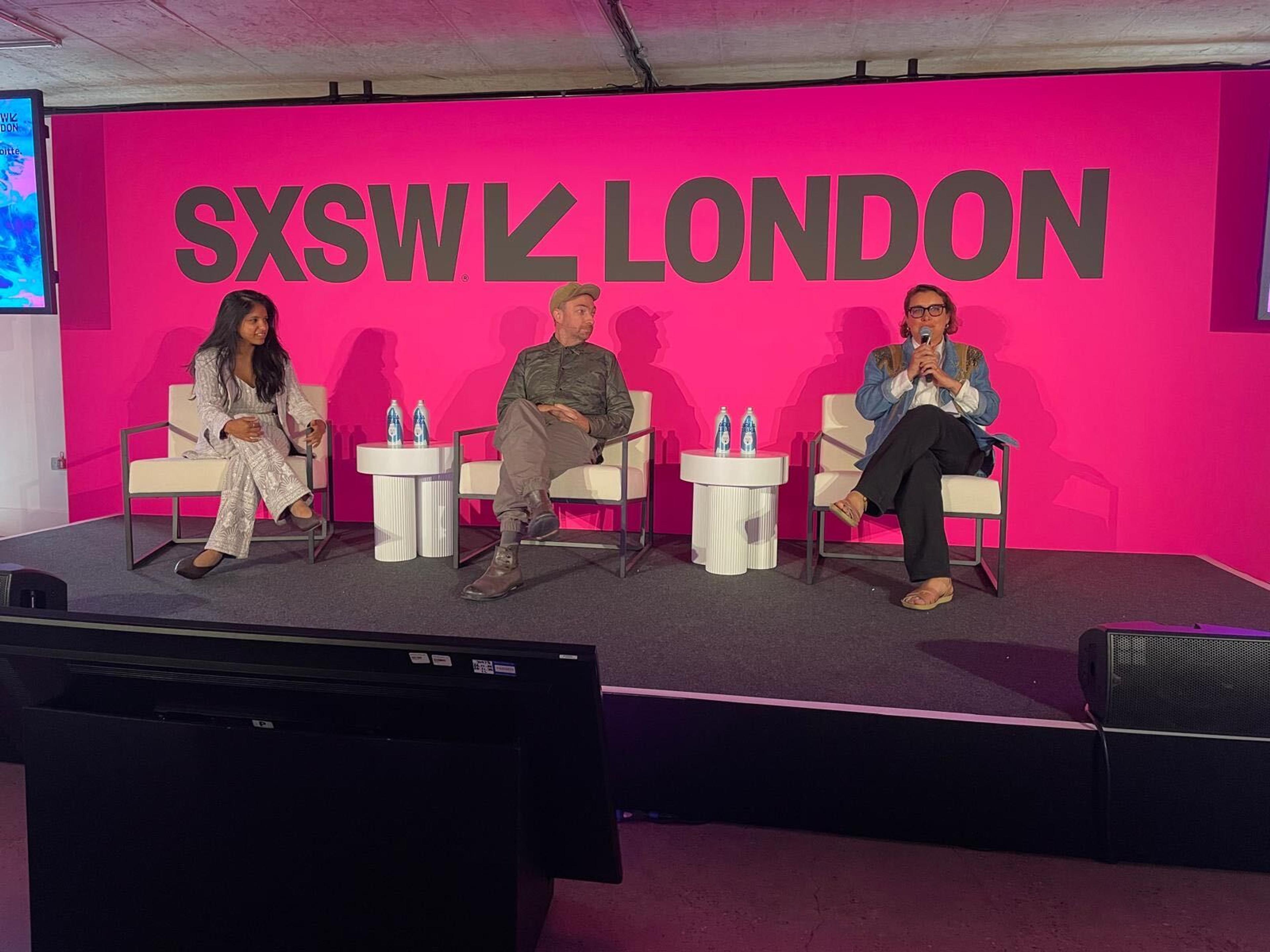
SXSW LONDON, London
(June 1, 2026)
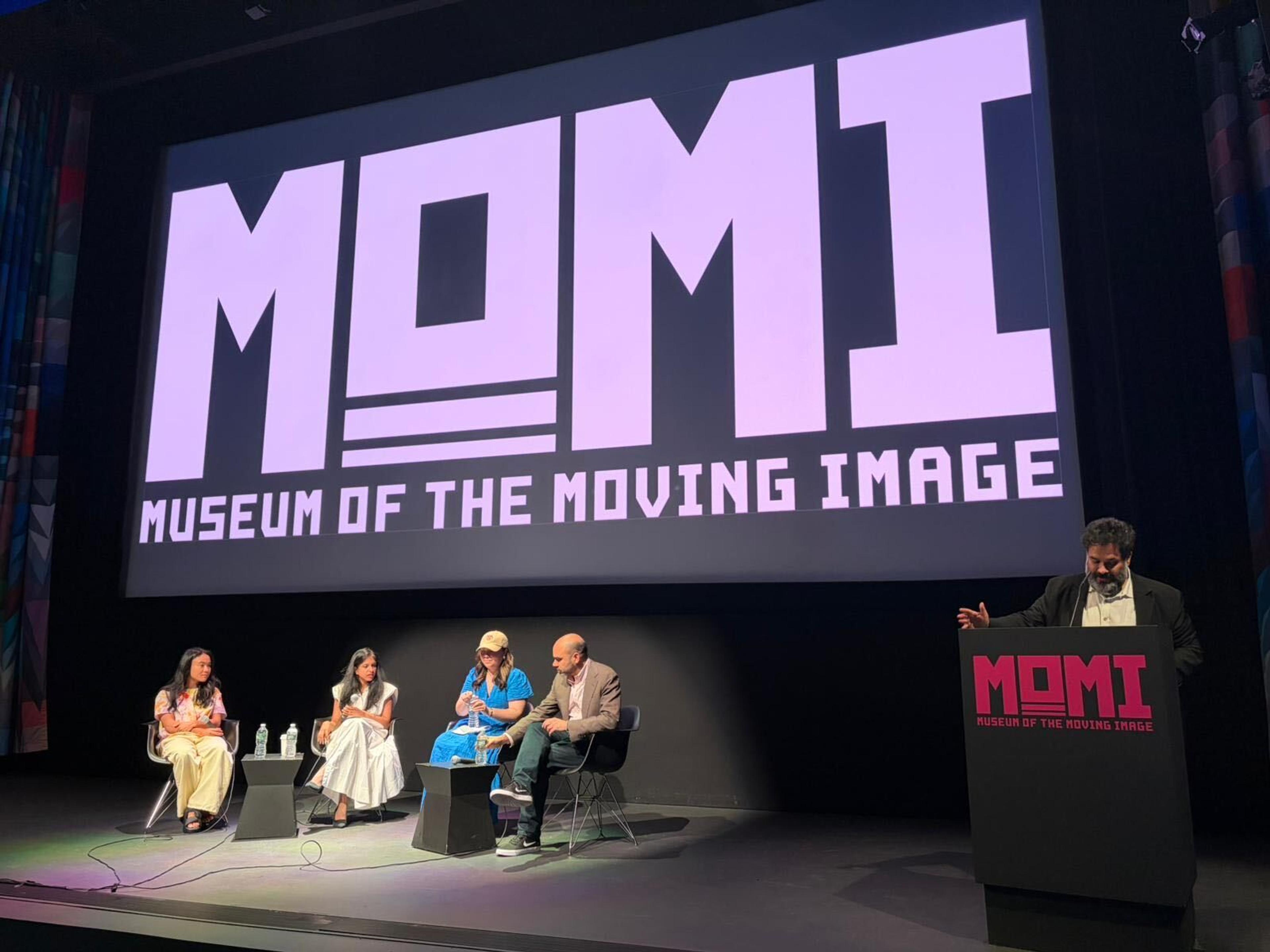
Museum of Moving Images, New York
(June 18, 2026)
FT Weekend Festival, New York
(June 20, 2026)
Financial Times partnered with Benny Box to explore one of the defining questions surrounding AI: now that the technology is here, what do we actually want to do with it?
The result is a three-minute opinion film, written and narrated by Financial Times AI Editor Madhumita Murgia. Sitting somewhere between essay and visual exploration, the film approaches AI using imagery to open up the conversation.
Benny Box was involved throughout the process, from concept and storyboarding to animation and motion design, developing a visual language to explore both the possibilities and uncertainties surrounding AI.
The current state of AI
AI is developing at a remarkable pace, reshaping the way we work, communicate and live. Much of that development is driven by a race to move faster and scale further.
But as technology advances at such a rapid pace, there seems to be less room to pause and openly consider the bigger questions: What do we actually want from AI?
For many people, AI still feels like something to respond to rather than something we have a say in. We hear about job loss, surveillance, misinformation and an accelerating race to develop AI, with companies and countries under pressure to move faster and further.
Against this backdrop, it can be difficult to pause and consider what we actually want this technology to become and what a good outcome could look like.
Madhumita Murgia
AI Editor at Financial Times
“The right to imagine AI's role belongs to everyone.”
And yet, AI also offers remarkable possibilities. It could help us cure diseases, restore forests and find new ways to reduce our impact on the planet. The question is not only what AI can do, but what we choose to do with it.
The intersection of human and machine
Told by Financial Times AI Editor Madhumita Murgia, the film explores one of its central ideas: the blurring line between humans and technology. Not just what AI does to us, but how we are already becoming part of it, and how it is becoming part of us.
That idea called for a different way of visualizing the subject. Rather than illustrating AI directly, we set out to reimagine what an essay film about it could look and feel like.
The imagery moves between the utopian and the unsettling, from clean, imagined futures to stranger, more ambiguous places where the boundary between human and machine begins to dissolve.

A question, not an answer
Rather than offering an answer, the film encourages the audience to imagine what AI could mean in their own lives, whether on a personal scale or as a tool for addressing some of the bigger challenges facing society.
Behind the scenes: using AI to question AI
An integral part of the process was to explore AI as a genuine production tool within the film itself. This created an interesting tension: how do you use the technology you are questioning without losing control of the creative direction?
The approach was intentional. AI was used where it could amplify and extend the visual ideas, never to replace the creative thinking behind them. Every AI-generated element was shaped and refined by a designer, keeping the art direction firmly human throughout the process.
Beyond the film
The film didn’t end when the credits rolled. Alongside the article, the Financial Times ran a survey asking its audience the same question posed by the film: what would you actually want AI to do? Selected responses will be featured in a future FT piece, bringing the audience into a conversation that has so far largely been shaped by the tech industry.
The film has since continued the conversation beyond its initial release, being featured at SXSW London, the Museum of the Moving Image in New York, and the FT Weekend Festival in New York.
Credits
Director
Juliet Riddel
Script
Madhumita Murgia
Cast & Voice Over
Madhumita Murgia
Creative Director
Esben Fisker
Art Director
Emilie Noer Bobek
Client Lead
Caroline V. Lundholm Madsen
Animation & Compositing
Emilie Noer Bobek
Esben Fisker
Frederik Jørgensen
Layout Artist
Emilie Noer Bobek
Esben Fisker
Frederik Jørgensen
Storyboarding
Emilie Noer Bobek
Esben Fisker
Director of Photography
Franklin Dow
Sound Design & Music
Tristan Cassel-Delavois